

Living near Fisherman’s Wharf places San Francisco Bay, historic waterfront walks, celebrated dining, and transit connections close to home. It is an energetic, highly visible part of the city, best suited to buyers who value daily access to the waterfront and accept the practical realities of a popular destination.
For many people, Fisherman’s Wharf is a place they first experience as visitors: the sea air, the sound of cable cars, the views toward Alcatraz, and the steady motion along the Embarcadero. Living near it is a different proposition. The North Waterfront can offer an unusually immediate connection to the Bay and some of San Francisco’s most recognizable public spaces, while asking residents to be thoughtful about crowds, transportation, building characteristics, and the rhythm of a destination neighborhood.
For a buyer considering a home near Fisherman’s Wharf, the appeal is less about checking off tourist attractions and more about choosing a lifestyle. Here is a balanced look at what day-to-day life in this part of San Francisco can feel like.
A Waterfront Setting That Shapes the Day
The Bay is the defining feature of life along the North Waterfront. A morning walk can mean watching the light change over the water, taking in the boats near the piers, or heading toward Aquatic Park for an open view of the bay. Rather than being an occasional weekend destination, the shoreline becomes part of the everyday landscape.
Aquatic Park is especially meaningful for nearby residents. Its broad waterfront edge, historic setting, and connection to the Maritime National Historical Park create a sense of breathing room that can feel distinctive in a dense city. On a clear day, the views can be the simple backdrop to a coffee run, an evening stroll, or a walk with a visiting friend.

The Embarcadero extends that experience southward, offering a long, scenic route for walking, running, or simply moving through the city on foot. It links the North Waterfront with other waterfront districts and public spaces, making the area feel connected rather than isolated at the city’s edge. Buyers who find energy in being outdoors, even on an ordinary weekday, often respond strongly to this aspect of the neighborhood.
Waterfront weather is worth understanding before making a decision. Conditions can change noticeably with fog, wind, and the season, and a Bay view may come with a cooler feel than an inland block. During showings, it is helpful to visit at more than one time of day so the light, noise, breeze, and activity level are familiar rather than surprising.
The strongest fit is often a buyer who sees the waterfront as usable daily space—not simply as a view from the living room.
Walkability Beyond the Postcard View
One of the practical advantages of the area is the ability to complete a great deal of daily life on foot. The streets around Fisherman’s Wharf and nearby North Beach offer a mix of cafés, casual meals, markets, services, and places to meet friends. The waterfront itself supplies a ready-made walking route, while the surrounding blocks make it possible to vary the routine.
That walkability can be particularly appealing to buyers seeking an urban home without relying on a car for every errand. A resident can head toward the Embarcadero, explore nearby restaurants, meet friends near the waterfront, or continue into adjacent neighborhoods. The terrain close to the shoreline is generally easier for a casual walk than some of San Francisco’s hillier areas, though routes away from the water can change quickly.

Dining and culture are close at hand, but their role changes when they are part of your neighborhood. The opportunity is not only to visit well-known destinations; it is to have a deep bench of options for an easy dinner, a special occasion, or an impromptu outing. Museums, historic sites, waterfront attractions, and the broader cultural life of the city are within reach, giving the area a built-in sense of occasion.
For buyers, it is useful to distinguish between immediate convenience and daily comfort. A block that is ideal for a Saturday lunch may feel very different late at night or during a busy holiday weekend. Spend time walking the exact streets around a prospective home, noting grocery access, the route to transit, places to park or load a car if needed, and how the surrounding activity feels after dark.
Transit Connections and the Reality of Getting Around
The North Waterfront offers notable access to transit, including Muni service and the city’s iconic cable cars. These options can make it easier to connect with downtown destinations and other parts of San Francisco, while the waterfront corridor also supports a highly walkable lifestyle. For buyers who commute, travel frequently, or simply prefer not to drive every day, that connectivity can be a meaningful part of the value equation.
At the same time, transportation should be evaluated through the lens of an individual routine. Cable cars are a memorable amenity and a useful city connection, but they also serve visitors and can be busy. Muni routes, transfer points, travel times, and service patterns matter more than a map’s straight-line distance. A prospective buyer should test the commute at the times they expect to use it.
Car ownership calls for its own planning. Parking availability, garage access, street restrictions, loading space, and the practical ease of leaving the neighborhood during busy periods can vary substantially by building and block. Those details do not diminish the lifestyle; they simply deserve the same attention as finishes, storage, or a view when comparing homes.
In a destination neighborhood, the best home search includes a real-world test: walk the route, try the transit, and visit when visitor activity is high.
Living With an Energetic Visitor Presence
Fisherman’s Wharf is one of San Francisco’s most visited areas, and that visibility is both a benefit and a consideration. It brings vibrancy, employment, dining choices, and a constant sense that the city is active. It also means that weekends, school breaks, special events, and peak travel periods can bring more pedestrians, tour activity, and traffic than a quieter residential enclave.
The experience is not uniform across the North Waterfront. A home’s orientation, insulation, floor level, building entrance, and distance from the busiest corridors can make a meaningful difference. Some buyers enjoy the pulse of the neighborhood and the convenience of having guests meet them in a recognizable part of the city. Others may prefer a home on a calmer side street or in a building that provides a stronger sense of retreat.
A thoughtful buyer can turn this into a strength by identifying priorities early. Is a Bay view essential? Is quiet more important than immediate proximity to the main waterfront attractions? Would a doorman building, elevator access, dedicated parking, or outdoor space improve everyday life? The answers help focus the search on properties that support the lifestyle you actually want.
What Homes and Buildings May Offer
Housing near Fisherman’s Wharf and the North Waterfront can include condominiums, co-ops, apartment-style residences, and select historic or boutique building opportunities. The character of a home may range from classic San Francisco details to a more contemporary waterfront feel. Floor plans, outlooks, association rules, and building amenities can vary considerably, so it is important not to assume that two homes a few blocks apart will live the same way.
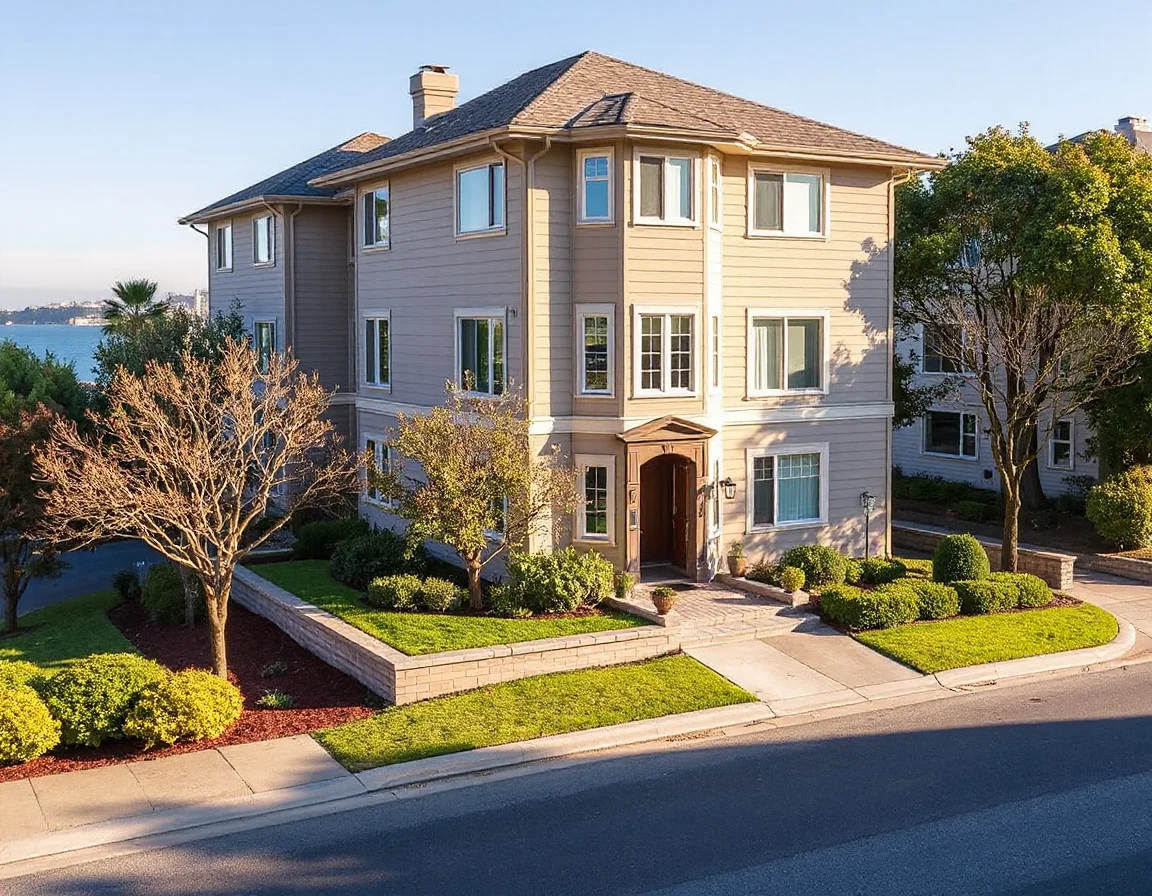
In buildings with shared amenities and associations, buyers should review the available documentation carefully. Consider the monthly costs, reserves, policies, maintenance history, pet guidelines, rental restrictions, and any planned work. These are normal parts of condominium or co-op due diligence, but they are especially important when a home’s appeal is tied to a particular building experience or waterfront location.
Views also deserve a careful, informed conversation. A view can be deeply rewarding, but it is wise to understand what is directly in front of the home, how nearby development or public activity affects the outlook, and whether a unit’s best feature works across different seasons and times of day. A thorough showing should look beyond the photograph to the complete living environment.
Who May Love the North Waterfront
This area can be a compelling choice for buyers who want San Francisco’s waterfront, dining, history, and city energy close to home. It may suit people who enjoy walking for recreation and errands, entertaining out-of-town guests, exploring cultural attractions, and trading a quieter residential setting for immediate access to the Bay. It can also appeal to part-time city residents who want a well-connected base in a memorable location.
It may be less natural for a buyer whose highest priorities are large private outdoor spaces, a silent streetscape, or effortless daily car use. There is no right answer—only a useful match between a home, a block, and the way you want to live. The key is to look beyond the landmark name and evaluate the surrounding streets with the same care you would bring to any major purchase.
Explore North Waterfront Homes With Clarity
Living near Fisherman’s Wharf can be as practical as it is picturesque when the home and location fit your routine. If you are weighing North Waterfront homes, our team can help you compare buildings, walk the relevant blocks, and focus on the details that will matter after move-in—not just on the day you tour.
Reach out to start a thoughtful conversation about homes near Fisherman’s Wharf and throughout San Francisco’s North Waterfront.